
News
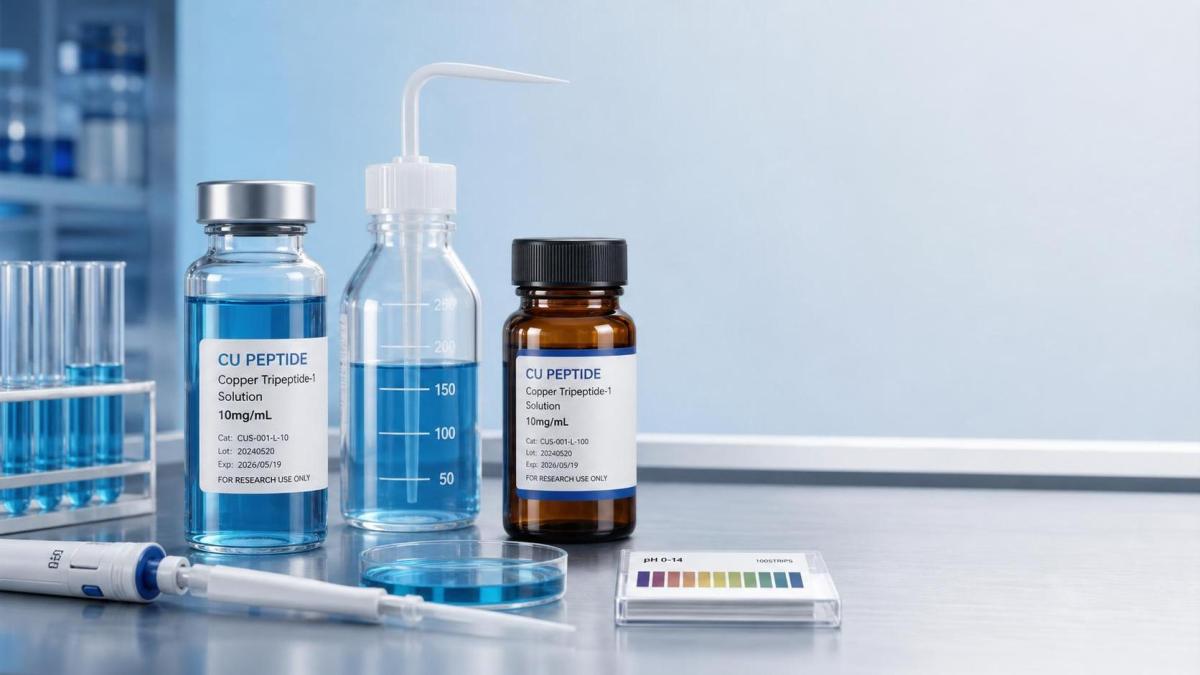
The quality of peptide raw materials is pivotal in determining the effectiveness and safety of downstream products, and it also serves as the foremost criterion in procurement cooperation. With numerous peptide factories in the market, the quality of raw materials varies greatly. Many buyers are prone to making mistakes in identification, purchasing peptide raw materials with substandard purity, excessive impurities, and inconsistent batches, which affects product production and market sales. Therefore, it is crucial to learn how to discern the quality of raw materials from peptide factories.
To discern the quality of raw materials, one should first examine the production process system. Reliable peptide factories employ mature techniques such as solid-phase synthesis and liquid-phase purification. For mainstream products like CU Peptide, Tirz Peptide, and Semaglu Peptide, they establish standardized production processes, strictly controlling every step of synthesis and purification. This approach eliminates issues such as insufficient purity and uneven composition of raw materials from the source, ensuring the fundamental quality of the raw materials.
Next, we need to consider quality inspection capabilities and testing data. Formal factories are equipped with professional quality inspection laboratories and precision testing equipment. Each batch of raw materials undergoes multiple tests, including purity, moisture, impurities, and physicochemical properties, and can provide authentic and complete COA testing reports. High-quality peptide raw materials have stable purity and extremely low impurity content, with all indicators meeting industry standards, without issues such as data falsification or significant batch variability.
Finally, the quality can be verified through actual testing of samples. Reliable peptide factories all offer free sample services. Purchasers can intuitively assess the activity and stability of the raw materials through methods such as dissolution testing, formula debugging, and effect detection. Additionally, high-quality factories have standardized warehousing environments and employ constant temperature and moisture-proof storage methods, effectively preventing raw materials from becoming damp and deteriorating, as well as losing their activity. This ensures stable quality upon delivery and makes them a preferred choice for long-term cooperation.